
Blog Nov 3, 2026
Sleep for Muscle Recovery: An Evening Routine That Works
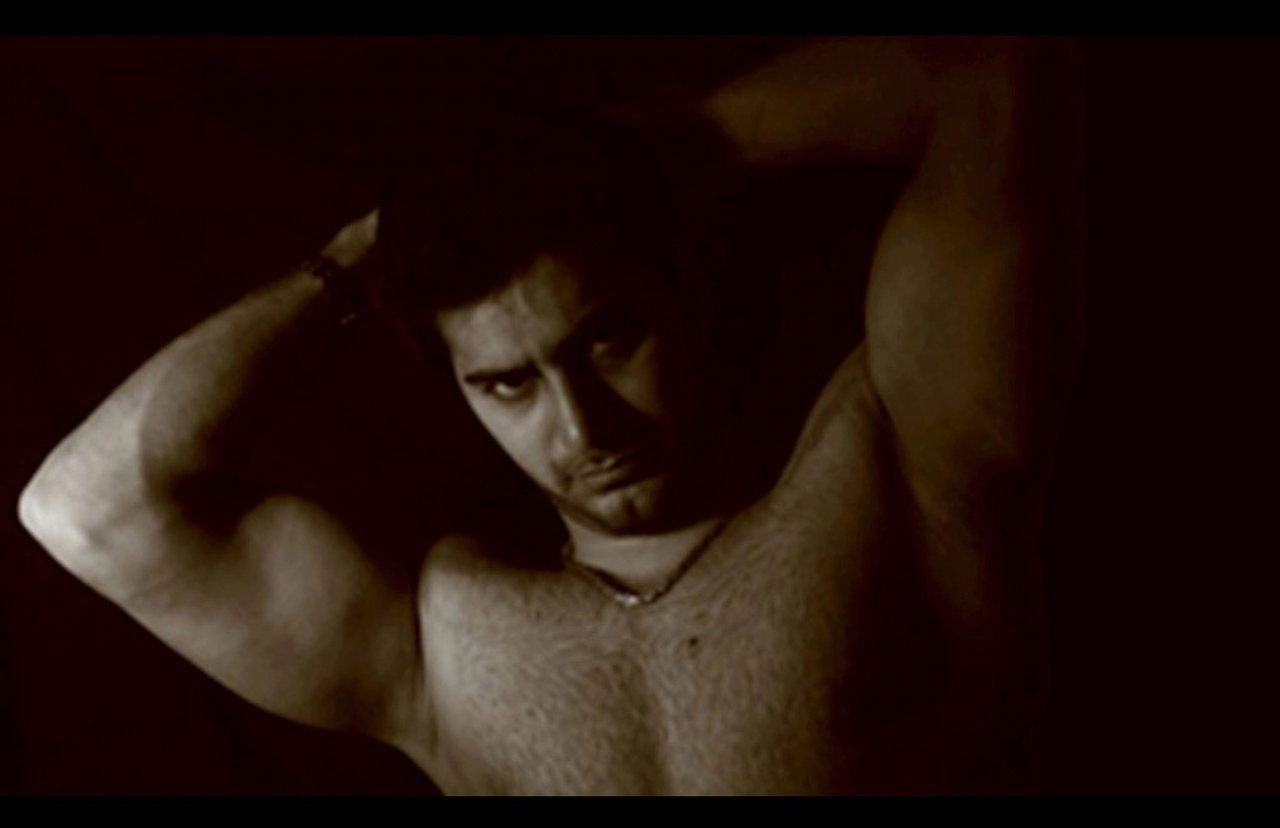
Mah Ghasemi tells his students a simple truth that most training plans leave out: you do not get stronger in the gym. Training breaks muscle down; sleep for muscle recovery is when your body builds it back up. During deep sleep your body releases most of its daily growth hormone, repairs the small damage training causes, restores glycogen, and consolidates the movement patterns you practised that day. Cut that sleep short night after night, and no perfect workout plan can compensate — you will feel weaker, sorer, and more injury-prone, and you will blame the program. This guide gives you the other half of training: a timed evening routine, a bedroom setup that actually helps you sleep, clear rules for caffeine and late training, and a 7-day reset plan you can start tonight.
Quick Answer
- Sleep for muscle recovery means 7–9 hours for most adults, and 8–10 hours during heavy training blocks — deep sleep is when growth hormone release and tissue repair peak.
- Fix your wake time first, even on weekends. A regular wake time anchors your body clock, and your bedtime will follow within one to two weeks.
- Stop caffeine at least 6 hours before bed, finish intense training at least 3 hours before bed, and keep your last large meal 2–3 hours before sleep.
- Use a 60-minute wind-down: dim lights, screens off or filtered, a warm shower, 5 minutes of gentle stretching or foam rolling, and slow breathing before bed.
- Keep your bedroom cool (about 65–68°F / 18–20°C), dark, and quiet — and treat naps as a supplement, not a substitute: 20–30 minutes, before 3 p.m., never instead of a full night.
What Sleep Actually Does for Recovery
Sleep is not one uniform state. Your brain cycles through light sleep, deep (slow-wave) sleep, and REM sleep roughly every 90 minutes, and each stage does different repair work. Deep sleep, which dominates the first half of the night, is when the largest pulses of growth hormone are released and when most tissue repair happens — which is why cutting your night short from the front (going to bed very late) costs you more recovery than waking up a little early. REM sleep, which dominates the second half of the night, consolidates motor learning: the footwork, combinations, and lifting technique you drilled during the day get wired in while you dream. Lose the second half of the night and you keep the soreness but lose some of the skill.
Short sleep also works against you through hormones and appetite. Poor sleep raises cortisol, the stress hormone that breaks tissue down, and it disrupts the hunger hormones leptin and ghrelin, so you wake up hungrier and craving quick energy — which is one reason the sleep and fat loss connection is so strong. One bad night will not ruin your training. Four to five short nights in a row will: strength feels heavier, soreness lingers longer, coordination drops, and injury risk rises. Treat sleep as part of the program, with the same seriousness as your training days, and the rest of this guide becomes easy to follow.
How Much Sleep Do Training Adults Need?
Most adults need 7–9 hours, and people in heavy training blocks often need the top of that range or slightly more. Use this table as a starting point, then adjust by how you actually recover: if soreness regularly lasts more than three days, if weights that should feel moderate feel heavy, or if you need an alarm plus caffeine plus a nap just to function, you are probably under-slept for your current load.
| Your training load | Sleep target | Watch for |
|---|---|---|
| 2–3 light sessions a week | 7–8 hours | Morning stiffness that fades after warming up |
| 4–5 mixed sessions (strength + kickboxing) | 8–9 hours | Soreness lasting more than 2–3 days |
| Heavy block, new program, or two-a-days | 9–10 hours (including a short nap if needed) | Weights feeling heavier week to week without illness |
| Over 40, or returning after a break | 8–9 hours, with strict wake-time regularity | Tendon and joint aches that outlast muscle soreness |
Do not chase a perfect number on a tracker at the expense of regularity. Eight hours of fragmented, irregular sleep beats neither seven steady hours nor nine steady ones: the same wake time every day, including weekends, does more for your body clock than any single long night. If your schedule only allows a fixed wake time and a variable bedtime, fix the wake time first and let the bedtime settle — most people find they naturally get sleepy earlier within one to two weeks.
The Evening Routine, Hour by Hour
A wind-down routine works because it gives your nervous system a predictable signal: training is over, repair starts now. You do not need a perfect routine — you need the same routine, done most nights. If your bedtime is 10:30 p.m., here is the shape of the last three hours:
| Time before bed | Do this | Why it helps |
|---|---|---|
| 3 hours before | Last large meal; finish intense training | Digestion and adrenaline both delay deep sleep |
| 2 hours before | Dim the lights; screens off or night-shift filtered; no work email | Bright light suppresses melatonin, the sleep signal |
| 1 hour before | Warm shower or bath; 5 minutes of gentle stretching or foam rolling | Warmth then cooling mimics the body's natural sleep onset; gentle movement releases the day's tension |
| 30 minutes before | Prepare tomorrow's training clothes and water; read something light | Removes morning decisions and quiets the planning mind |
| 10 minutes before | Slow breathing: 4 seconds in, 6 seconds out, for 10 rounds; lights out | Slow exhales calm the nervous system directly |
For the stretching portion, keep it gentle and short: neck rolls, a chest opener in a doorway, a hip stretch holding a chair, and slow calf stretches — the same moves from the 10-minute foam rolling routine, shortened to the tightest two or three spots. This is not a second workout. If a stretch hurts or wakes you up, it is too intense for bedtime. And if you train in the evening, use the shower and the breathing rounds as your deliberate switch from athlete to sleeper: the ritual matters as much as the minutes.
Young fighters always ask me about supplements and ice baths. Veterans ask me about sleep. I have watched talented students out-train their recovery for months — harder sessions, later nights, more caffeine — and then wonder why their body stopped responding. The ones who lasted twenty years in this sport were not the ones who trained the most. They were the ones who went to bed. Protect your sleep the way you protect a training session: same time, no negotiation, phone in another room. Your next session is won tonight, not tomorrow morning.
Your Bedroom Setup for Recovery
Temperature: aim for about 65–68°F (18–20°C). Your core temperature must drop to initiate sleep, and a warm room fights that process all night. If you cannot control the room, a cooler blanket and a fan aimed at your body help more than a colder pillow. Light: blackout curtains or a sleep mask. Even low light through closed eyelids suppresses melatonin, so the goal is genuinely dark, not dim. Sound: consistent background noise (a fan or white-noise app) beats a quiet room with sudden noises; earplugs work if your household is loud. Position: if you sleep on your back, a pillow under your knees takes pressure off your lower back after leg day. If you sleep on your side, a pillow between your knees keeps your hips and spine aligned — especially valuable after heavy squats or kickboxing sessions. Stomach sleeping twists the neck and is the hardest position to recover in; if you wake up with neck pain, training your way onto your back or side is worth a week of awkwardness.
One more rule that sounds small and changes everything: charge your phone outside the bedroom. The scroll that costs you forty minutes also costs you the deep-sleep-heavy first cycles of the night, and no morning alarm can buy those cycles back. An old-fashioned alarm clock costs almost nothing and removes the single biggest sleep thief most of my students have.
Training Time, Caffeine, and Food Cutoffs
Evening training: intense sessions raise adrenaline and core temperature for hours. Finish hard training at least 3 hours before bed; if you can only train late, keep the session lighter (technique work, mobility, easy shadowboxing) and use the full wind-down routine afterwards. Morning training has the opposite benefit: bright light and movement early in the day strengthen your body clock and make the evening wind-down easier. Caffeine: stop at least 6 hours before bed — and if you are sensitive, make it 8. A coffee at 4 p.m. is still substantially active at 10 p.m., and caffeine fragments deep sleep even when you manage to fall asleep. Alcohol: it sedates you but fragments the night: it suppresses REM sleep and reduces deep sleep, which are exactly the stages recovery needs. Even one drink close to bedtime measurably degrades sleep quality. Food: a large, heavy, or spicy meal within 2 hours of bed causes discomfort and reflux for many people; a small protein-rich snack (Greek yogurt, cottage cheese, a few nuts) is fine if you are genuinely hungry, and it also supports overnight muscle repair.
Naps Done Right
A nap is a useful supplement when a night was short or a training block is heavy — it is not a replacement for a full night. The rules are simple: 20–30 minutes maximum, before 3 p.m., in a dark, cool spot, with an alarm you trust. Longer naps or late naps push you into deep sleep and leave you groggy, and they steal pressure from the coming night so you sleep worse, not better. If you nap for 45 minutes and wake up foggy, the nap was too long, not too short. For most people, a 20-minute nap after lunch on a heavy training day improves afternoon alertness and takes the edge off soreness without touching the night's sleep.
The 7-Day Sleep Reset Plan
Days 1–2 — anchor the morning: pick a wake time you can keep every day, including the weekend, and get bright light within 30 minutes of waking (sunlight through a window or a short walk). Keep everything else the same. Days 3–4 — add the cutoffs: caffeine stops 6 hours before bed, screens dim 2 hours before bed, last large meal 2–3 hours before bed. Day 5 — build the wind-down: add the warm shower, 5 minutes of gentle stretching, and the 10-round breathing practice. Day 6 — fix the room: cool it to 65–68°F, darken it fully, and move the phone charger out of the bedroom. Day 7 — review: check your log: how long did it take to fall asleep, how many times did you wake, and how did training feel? Keep what worked, drop what did not, and repeat the routine for three more weeks before judging it — sleep habits, like strength, adapt on a scale of weeks, not days. Pair this reset with a sensible rest-day plan, because sleep and rest days are the same system: both are when the work you did in the gym becomes strength.
When Poor Sleep Needs a Clinician
Most sleep trouble in active adults is habit trouble, and the routine above fixes it. But some patterns need a clinician, not a routine: loud snoring with pauses in breathing or waking up gasping; daytime sleepiness so strong it affects driving or work despite adequate time in bed; insomnia lasting more than three weeks; or new, persistent pain that wakes you nightly. Sleep apnea in particular is common, treatable, and easy to miss — and it directly blocks the deep sleep recovery depends on. This article is general information, not medical advice: if any of these patterns sound familiar, talk to your clinician before adding supplements, sleep aids, or a harder training block on top of broken sleep. If you want a coach to build your training load around your actual recovery — sleep included — explore the options on the programs page.
FAQ
Does sleeping right after a workout help muscle recovery?
Yes — a nap after a hard session helps, but the full night's sleep that follows is what does most of the repair work. A 20–30 minute nap before 3 p.m. is a useful supplement; it never replaces the night's deep sleep.
Should I eat protein before bed to help recovery?
A small protein-rich snack, such as Greek yogurt or cottage cheese, is a reasonable choice if you are hungry in the evening, and it gives your body amino acids overnight. It is optional, not required — your total daily protein matters far more than the exact timing of one snack.
Does alcohol really ruin workout recovery?
It measurably hurts it: alcohol fragments sleep, suppresses REM sleep, and reduces deep sleep, which are the stages that drive tissue repair and motor learning. One drink close to bedtime is enough to degrade the night, even if you fall asleep easily.
Can I train late at night and still sleep well?
Some people can, but most sleep better when intense training finishes at least 3 hours before bed. If late training is your only option, keep the session lighter, take a warm shower afterwards, and use the full wind-down routine to switch your nervous system off.
Why do I wake up sore even after 8 hours of sleep?
First, check whether the sleep was steady or fragmented — alcohol, caffeine, a warm room, or phone scrolling can all break deep sleep without changing total hours. Second, check your training load: a big jump in weight or volume causes soreness no amount of sleep erases in one night. Fix the biggest disruptor first, then give the routine two weeks.
Do I need magnesium or melatonin supplements for recovery sleep?
Neither is required, and neither replaces the routine above. Some people find them helpful, but supplements interact with medications and health conditions, so check with your clinician before starting one — and fix light, caffeine, and timing first, because those move sleep far more than any pill.
Sources
- Hirshkowitz M, et al. National Sleep Foundation's sleep time duration recommendations: methodology and results summary. Sleep Health. 2015;1(1):40–43. (7–9 hours recommended for adults 18–64.)
- National Institutes of Health / National Heart, Lung, and Blood Institute. Why Is Sleep Important? (Sleep supports tissue repair, hormone regulation, and memory consolidation.)
- Sleep Foundation. How Sleep Works: sleep stages, deep sleep and growth hormone release, and sleep hygiene recommendations.
- U.S. Department of Health and Human Services. Physical Activity Guidelines for Americans, 2nd edition. Washington, DC; 2018.