
Blog Oct 27, 2026
4-Week Fat-Burning Plan That Keeps Your Muscle
If you want to burn fat, the goal is not simply to get smaller. The goal, as Mah Ghasemi coaches it, is to get stronger, move better, and keep the muscle you already have while your body composition changes. Too many fat-burning plans do the opposite. They pile on endless cardio, cut strength work, and leave people lighter but weaker, softer, and more tired. This plan takes a different path.
Quick Answer
- Train strength three times a week, add two shorter kickboxing interval sessions, and progress slowly for four weeks.
- Keep your strength work in every week, even when you are tired, and let the kickboxing intervals raise your training intensity without replacing your strength sessions.
- Eat enough to train well, sleep enough to recover, and judge progress by strength, measurements, and how your clothes fit, not only by the scale.
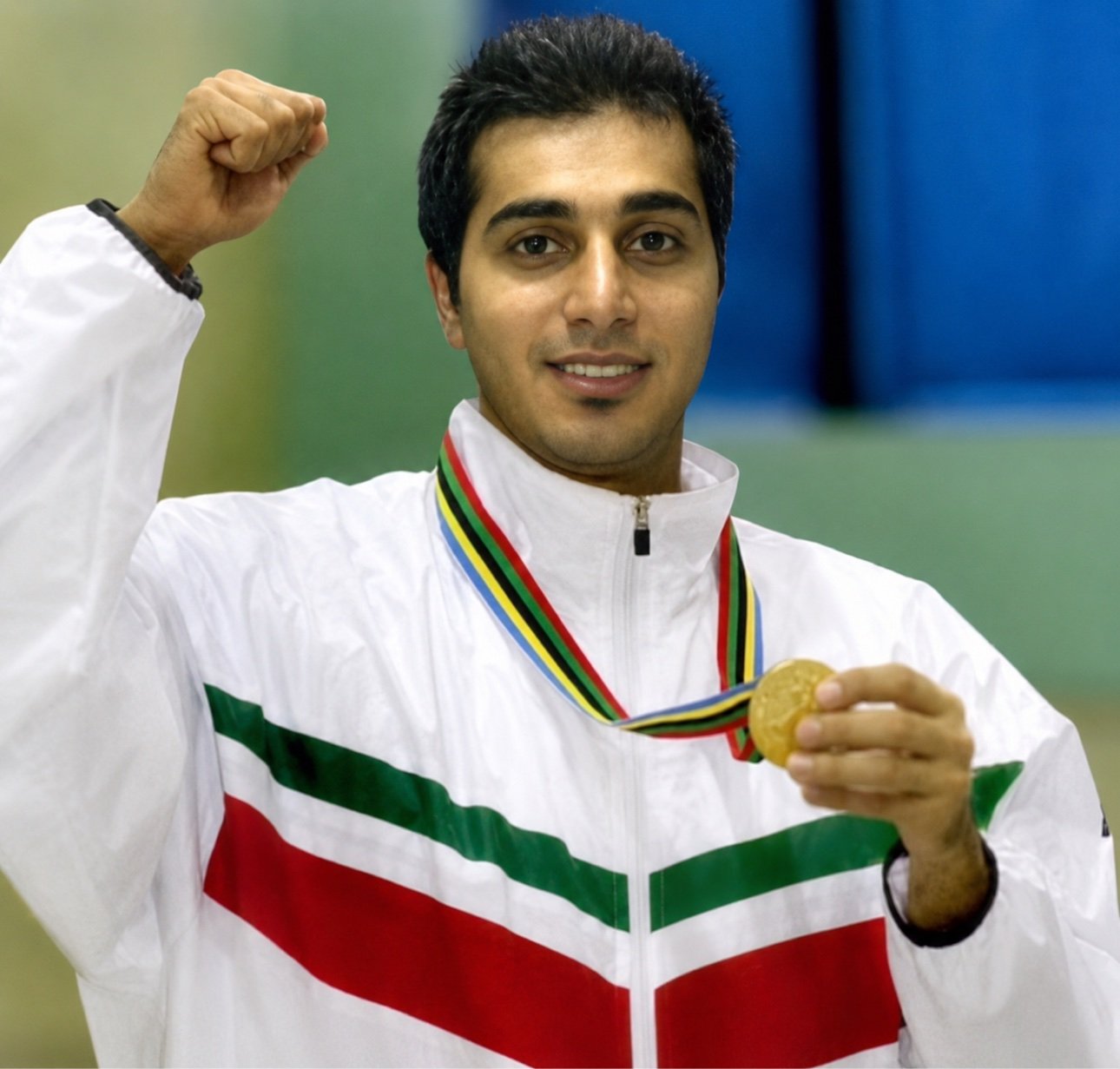
That is the whole idea. The rest of this article shows you exactly how to do it, week by week, with sets, reps, tempo, and rest periods you can follow in a gym or at home with dumbbells and a heavy bag or shadowboxing space.
Why Muscle Matters When You Are Burning Fat
When you train for fat loss, your body is looking for energy. If you only do long, slow cardio and you never ask your muscles to work hard, your body has little reason to hold on to muscle. Strength training gives it that reason. A squat, a press, a row, and a hinge tell your body, in plain terms, that this muscle is still needed.
Mah Ghasemi has coached this balance for years. In his experience, clients who keep lifting while they work on fat loss tend to look and feel better at the end of a plan than clients who only chase sweat. They stand taller, their posture improves, and everyday tasks feel easier. They also tend to keep their results longer, because the habits they built were training habits, not punishment habits.
This does not mean you need to lift heavy every day or train like a bodybuilder. It means strength work stays in the plan, in a simple form, three times a week, while kickboxing intervals add energy, coordination, and conditioning on two other days.
How the Four Weeks Are Built
The plan uses five training days a week, with two full rest days. Three days are strength days. Two days are kickboxing interval days. You do not need to train six or seven days a week for this plan to work. In fact, the rest days are part of the plan. They are when your body recovers and adapts.
Each strength day follows the same structure, with small progressions from week to week. You will do a short warm-up, four main strength exercises, and one short core and carry finisher. Each kickboxing interval day follows a round structure: work for a set time, rest briefly, and repeat. You will not spar in this plan. You will practise strikes on a bag or in the air, at a pace you can control.
Before you start, choose weights that let you finish every set with good form. The last two reps should feel hard, but your form should not fall apart. If you cannot keep your back straight, your knees tracking, or your shoulders down, the weight is too heavy for this plan.
The Strength Workouts
Warm up for five minutes before every strength session: easy marching or cycling, arm circles, hip circles, and ten easy bodyweight squats. Then follow the session below. Tempo is written as four numbers: lower, pause, lift, pause. For example, 3-1-1-0 for a squat means lower for three seconds, pause for one second at the bottom, stand up in one second, and do not pause at the top before the next rep.
Strength Day A — Lower body and press
- Goblet squat: 3 sets of 8 reps, tempo 3-1-1-0, rest 90 seconds between sets. Hold one dumbbell at your chest, sit back and down, keep your chest tall, and drive through your whole foot.
- Dumbbell floor press: 3 sets of 10 reps, tempo 2-1-1-0, rest 75 seconds between sets. Lie on the floor, press both dumbbells up, and lower them until your elbows touch the floor.
- One-arm dumbbell row: 3 sets of 10 reps per side, tempo 2-1-1-1, rest 60 seconds between sets. Support yourself on a bench or sturdy chair, keep your back flat, and pull the dumbbell to your hip.
- Dumbbell Romanian deadlift: 3 sets of 10 reps, tempo 3-1-1-0, rest 90 seconds between sets. Push your hips back, keep a soft bend in your knees, and feel the back of your legs work.
- Finisher: Pallof press hold, 3 sets of 20 seconds per side, rest 30 seconds, then a farmer carry for 30 seconds with a dumbbell in each hand.
Strength Day B — Hinge, pull, and single-leg work
- Dumbbell Romanian deadlift: 3 sets of 8 reps, tempo 3-1-1-0, rest 90 seconds between sets.
- Split squat: 3 sets of 8 reps per leg, tempo 2-1-1-0, rest 75 seconds between sets. Take a long step back, lower straight down, and keep most of your weight on your front leg.
- One-arm dumbbell row: 3 sets of 12 reps per side, tempo 2-0-1-0, rest 60 seconds between sets.
- Half-kneeling dumbbell press: 3 sets of 8 reps per side, tempo 2-1-1-0, rest 75 seconds between sets. Kneel on one knee, brace your stomach, and press one dumbbell overhead without leaning sideways.
- Finisher: Side plank, 3 sets of 20 seconds per side, rest 30 seconds, then a farmer carry for 30 seconds.
Alternate Day A and Day B across your three strength days each week. In Week 1, use the sets and reps exactly as written. In Week 2, add one rep to each main exercise. In Week 3, add another rep, or add a small amount of weight if your form stayed perfect in Week 2. In Week 4, keep the Week 3 load, but focus on slower, cleaner reps and a full range of motion. Do not add a fourth strength day in Week 4 to "make up" for anything. The plan works because it is steady.
The Kickboxing Interval Days
Kickboxing intervals in this plan are conditioning work, not a technique class and not a fight. Keep your hands up, move lightly on your feet, and strike at about seventy percent effort. You should be breathing hard, but you should still be able to keep your form for the whole round.
Warm up for five minutes with easy shadowboxing, light footwork, and shoulder rolls. Then do six rounds of two minutes of work and one minute of rest. Each round has one focus:
- Round 1: Jab and cross, steady and straight, moving forward and back.
- Round 2: Jab, cross, and lead hook, with a small step to the side after each combination.
- Round 3: Front kick with each leg, alternating, at a comfortable height.
- Round 4: Roundhouse kick with each leg, alternating, with a defensive step back after each kick.
- Round 5: Knee strikes, alternating legs, with your hands holding an imaginary guard in front of your chest.
- Round 6: Free combination round: jab, cross, hook, and one kick of your choice, repeated at a steady pace.
In Week 1, do five rounds instead of six if you are new to kickboxing. In Week 2, do all six rounds. In Week 3, keep six rounds but shorten the rest to 45 seconds. In Week 4, return to one minute of rest, and focus on sharper, cleaner strikes rather than faster, sloppier ones. Cool down for five minutes with easy walking and gentle stretching.
The Weekly Schedule
| Day | Training | Focus |
|---|---|---|
| Monday | Strength Day A | Lower body and press |
| Tuesday | Kickboxing intervals | Six rounds, steady pace |
| Wednesday | Strength Day B | Hinge, pull, and single-leg work |
| Thursday | Rest | Walk, stretch, sleep |
| Friday | Strength Day A | Lower body and press |
| Saturday | Kickboxing intervals | Six rounds, steady pace |
| Sunday | Rest | Walk, stretch, sleep |
In the second week, Friday becomes Strength Day B, so you alternate evenly. The pattern matters less than the balance: three strength days, two interval days, and two rest days, every week.
Coach's Note — Mah Ghasemi
That is why this plan never drops strength work, even in Week 4. If you are tired, reduce the weight a little and keep the session. A shorter, cleaner strength session beats a skipped one, and it beats a frantic extra cardio session that leaves you too tired to lift the next day.
The Most Common Error, and the Fix
Error: Turning every session into a race. People rush through reps, bounce out of the bottom of a squat, and throw kicks as fast as they can. The workout feels harder, but the muscles do less useful work, and the risk of a sore back or a twisted knee goes up.
Fix: Slow the lowering phase down and own every rep. Use the tempos written above. If you finish a set and realise you cannot remember the last three reps, you went too fast. Take a breath, reset your feet, and do the next set at a pace you can control. Speed in kickboxing comes from clean technique repeated many times, not from rushing one round.
Modifications for Beginners
If you are new to training, or returning after a long break, make these changes and keep everything else the same:
- Goblet squat: hold a lighter dumbbell, or do the squat with no weight and hold a chair for balance.
- Split squat: shorten your step, hold a wall or chair with one hand, and do six reps per leg instead of eight.
- Floor press and row: use lighter dumbbells and stop one rep before your form changes.
- Kickboxing intervals: do four rounds of two minutes in Week 1, with one minute and fifteen seconds of rest, and build to six rounds by Week 3.
- Farmer carry: carry lighter weights for twenty seconds instead of thirty.
If an exercise causes sharp pain, stop that exercise. Soreness the next day is normal when you start a new plan. Sharp pain, swelling, or pain that changes how you walk is not normal, and you should get it checked before you continue.
How to Judge Progress
Do not judge this plan by one weigh-in. Weigh yourself, if you use a scale at all, no more than twice a week, at the same time of day, and look at the trend over four weeks, not one day. Better measures are: Are your strength numbers going up, even a little? Can you finish all six kickboxing rounds with better form than in Week 1? Do your clothes fit differently? Do you feel stronger walking upstairs or carrying groceries?
Take two simple measurements at the start and at the end of Week 4: your waist at belly-button height, relaxed, and the number of good goblet squats you can do with your starting weight before your form breaks down. Write both numbers down. Progress in a fat-burning plan is rarely a straight line, and written numbers protect you from a bad day on the scale.
What to Do After Week 4
After four weeks, take a lighter week. Do two strength sessions and one kickboxing session, with the same exercises but about twenty percent less weight and four rounds instead of six. Then start a new four-week block. You can keep the same exercises and add a little weight, or swap one exercise per day for a similar one, for example a dumbbell bench press on a bench instead of a floor press, if you have access to one. The structure stays the same. That is the point. You do not need a new plan every month. You need the same good plan, done well, for long enough to see what it can do.
For more on building a weekly training rhythm, read Mah Ghasemi's guide to combining strength and kickboxing in a week. For recovery between sessions, see his rest-day guide. And if motivation dips in Week 3, which it often does, his guide on staying consistent is here. More training plans and coaching from Mah Ghasemi are at fitnessblackbelt.com.
Get a Personalized Plan Built Around Your Life
Templates get you started, but fat loss sticks when the plan fits your schedule, your joints, and your food habits. Our programs are structured in tiers so you can start where it makes sense and scale up as your needs change.
- Free Starter: A low-commitment way to try a personalized approach before paying anything.
- Starter: A plan built for someone ready to commit to a short structured block; current prices are listed on the programs page.
- Transformation: Suited to clients wanting a longer, more involved coaching relationship.
- Elite Transformation: Our most involved coaching tier for clients wanting maximum personalization.
If you'd rather start with something free, run your numbers through the calories calculator to get individualized nutrition targets today, or check our FAQs for onboarding details before you commit to a program.
Eating well across the week matters as much as training: see a beginner's guide to meal prep for a busy week for balanced boxes, safe storage times, and a starter week.
FAQ
Do I need a gym for this plan?
No. You need two dumbbells, enough floor space to move, and either a heavy bag or open space for shadowboxing. A gym gives you more weight choices, but it is not required.
Can I do the kickboxing intervals on the same day as strength?
In this plan, no. Keep them on separate days so your strength work gets your full attention. If your schedule forces a combined day, do strength first, rest at least four hours, and do only four kickboxing rounds.
What if I miss a day?
Miss the day and move on. Do not double up the next day. The plan has enough training in it that one missed session does not change the outcome, but two sessions crammed into one day often leaves you too tired for the rest of the week.
Should I eat less while doing this plan?
This plan is about training, not about a strict diet. Eat regular meals, include protein at each meal, and avoid skipping meals on training days because you are busy. If you want help with eating, Mah Ghasemi's nutrition articles on this site and on Substack cover plate building without strict dieting.
Is this plan suitable for complete beginners?
Yes, with the modifications above. Start with the beginner versions, build to the full version by Week 3, and do not rush the kickboxing rounds. Good form matters more than speed in every week of this plan.